Digital marketers often face a tough choice—nearly 55% rely on detailed data analytics for their plans. But are they picking the right tools? The question of whether Google Analytics is better than Semrush goes beyond personal preference. It’s about which tool works best in today’s fast-paced digital world.
Google Analytics and Semrush are key to success in digital marketing. Google Analytics digs deep into how users interact with websites. On the other hand, Semrush offers a wide range of tools for SEO and competitive research.
When deciding on the best analytics platform, it’s important to see how Google Analytics and Semrush work together. Google Analytics gives real-time data and insights into user engagement. Semrush, on the other hand, helps with understanding competitors and improving content marketing strategies.
So, the real question isn’t which tool is better. It’s about how to use both to boost your digital marketing efforts.
Key Takeaways
- Understanding the distinct capabilities of both tools is fundamental in leveraging their full potentials.
- Google Analytics excels in providing real-time user behavior and site performance metrics.
- Semrush is a powerhouse for SEO and competitive research, expanding the horizon of traditional analytics.
- The debate of is Google Analytics better than Semrush hinges on the specific goals of a digital marketing strategy.
- Maximizing the integration of both tools can lead to a more holistic view and a strategic competitive edge.
Understanding the Core Functions of Google Analytics and Semrush
Choosing between Google Analytics or Semrush for website analytics is key for businesses. Both platforms have unique features for web analytics and marketing. They help businesses understand and improve their digital strategies.
Google Analytics: Deciphering User Behavior and Site Performance
Google Analytics is a top tool for analyzing user interactions and website health. It offers detailed metrics like user flow and interaction rates. These are vital for checking content effectiveness and website usability.
The benefits of Google Analytics over Semrush are clear in its real-time data tracking. It also has extensive customization options. This lets users tailor their analytics to fit their exact needs.
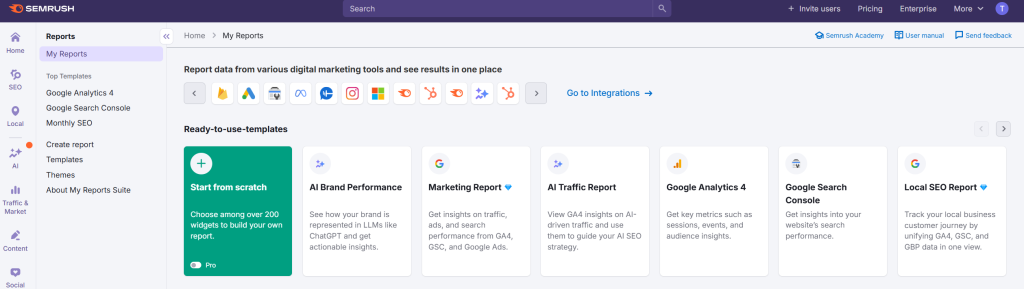
Semrush: Comprehensive SEO and Competitive Analysis Tool
Semrush is a broad tool for SEO and competitive analysis. It provides insights into keyword rankings and backlink tracking. This makes it essential for improving SEO strategies.
This approach helps businesses stay ahead of competitors. It lets them monitor market trends and adapt quickly.
The Interplay between Website Analytics and Competitive Research
The comparison between Google Analytics and Semrush shows their importance for digital marketing. Google Analytics dives deep into website performance metrics. Semrush focuses on boosting search engine visibility and understanding competitors.
Together, Google Analytics and Semrush offer a complete view of a business’s online presence. They help marketers make informed decisions based on data. This drives success in the digital world.
Is Google Analytics better than Semrush
The debate between Google Analytics vs SEMrush for digital marketing is important. Both tools give unique insights but focus on different marketing areas. We’ll look at their features and how they work together to see which is best for you.
Comparing SEO Capabilities and Traffic Insights
Looking at these tools, it’s clear they serve different needs. Semrush vs Google Analytics features are designed for different users. Google Analytics tracks user behavior and where traffic comes from. Semrush helps with SEO, including site audits and backlink analysis.
- Google Analytics or Semrush for SEO: Google Analytics is great for traffic and user interaction. SEMrush focuses on web presence and ranking.
- Semrush’s traffic analytics helps with competitive analysis and organic search. It’s useful for marketers who want to outdo their rivals.
Keyword Research and Tracking Bonanza
Keyword optimization is key for SEO. Keyword research using SEMrush is top-notch, with tools for tracking and analyzing keywords. Google Analytics doesn’t track keywords directly but offers insights through user engagement.
- Semrush finds valuable keywords and analyzes their performance worldwide.
- Using Google Analytics with Semrush gives a complete view of keyword impact on traffic and conversions.
Usability and Integration Affordances
Google Analytics and Semrush have different user experiences and integration capabilities. Google Analytics is detailed but can be hard for beginners. It works well with other Google tools, making data more complete.
- Semrush is easy to use and integrates with many marketing tools.
- Integrating Google Analytics with Semrush offers a big advantage. It combines traffic analysis with SEO insights, helping marketers make better decisions.
Choosing between Google Analytics or Semrush depends on your marketing needs and how you like to analyze data.
Conclusion
In the world of digital marketing, the choice between Google Analytics and Semrush often depends on a business’s needs. Google Analytics is great for understanding how users interact with a website. It gives real-time data and helps improve the user experience.
On the other hand, Semrush is known for its wide range of SEO tools. It helps with keyword research, backlink analysis, and competitive insights. These tools are key for creating strong SEO strategies and improving market position.
It’s not a question of picking one over the other. Using both Google Analytics and Semrush together gives marketers a full view of their online presence. This combination helps create more detailed and effective digital marketing plans. By using the strengths of both tools, marketers can increase their online success in a competitive digital world.